by guest author Alys West
People have been telling stories about magical creatures and different worlds for centuries. Those stories have been passed down to us as fairytales, folk tales and folklore. Some of these tales relate to a specific place; others tell of fairies, ghosts, werewolves and (always a favourite) the devil.
When I started writing my first novel, ‘Beltane’ which is set in Glastonbury I read the stories associated with Glastonbury and the Tor. I didn’t really know what I was doing back then. I was looking for something but I wasn’t sure what. As I delved deeper, I found a rich tapestry of folklore and folktales which had been woven about this place which people have long felt
was mystical. I felt a real connection to these stories and I knew I wanted them to be part of the novel.

I also drew on the traditions around Beltane which is the celebration of May Day in the Celtic Wheel of the Year. Beltane is time to celebrate the fertility of the earth as spring blooms. I took that idea of regeneration with spring and gave it a darker twist in the book. I had a lot of fun reading up on Beltane celebrations (of which Glastonbury has a spectacular one.)
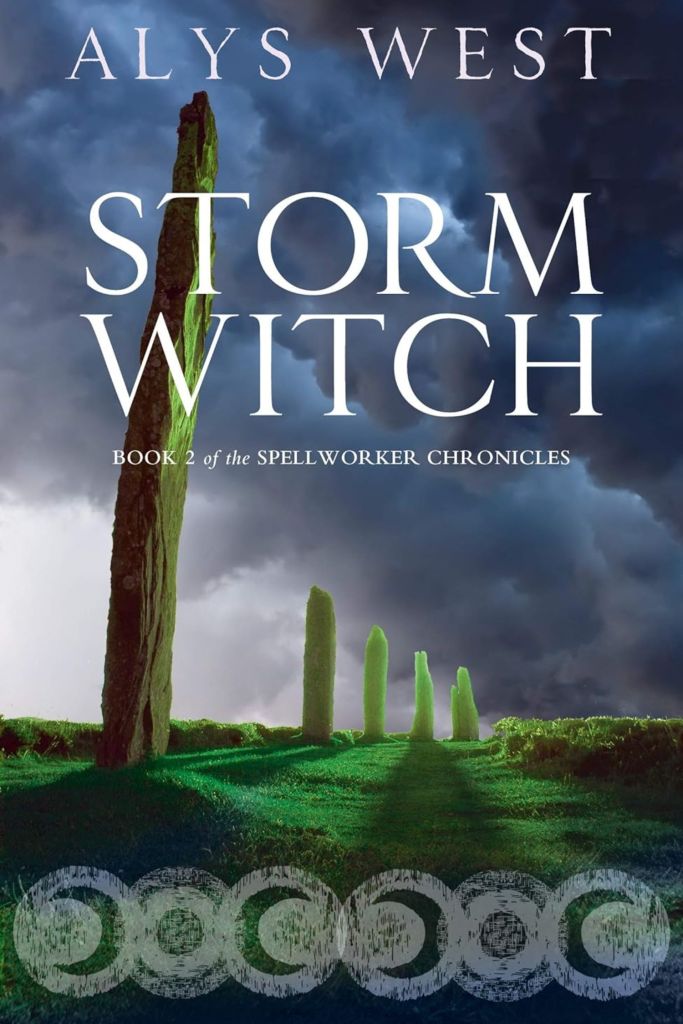
Beginning to write ‘Storm Witch’ (the follow-up to ‘Beltane’), I had a better idea what I was doing. The book is set in Orkney and I immersed myself in the stories and folklore of the islands. I discovered a tale from the seventeenth century about a girl who was accused of being a witch. The girl, Janet Sinclair, was believed to be able to control the elements and
summon storms. That became the kernel of the idea for ‘Storm Witch’ – what would you do if you had the power to control the elements but couldn’t control your powers?
These folklore and folktales have become a vivid source of magic in my books. For me, these stories are a way of looking beyond the modern world and connecting with a way of thinking that’s more open to enchantment.
In February I went to the ‘Fantasy: Realms of the Imagination’ exhibition at the British Library and I also attended some of the online talks about the exhibition. From one of those, I heard Terri Wilding talk about the importance of roots in fantasy writing. She shared examples from her own writing and talked to Alan Lee who illustrated ‘The Lord of the Rings’. He
explained how he’d used places close to his home in Dartmoor in the illustrations for TLOTR. It was remarkable seeing how a particular Dartmoor crag found its way into a drawing of Middle-Earth. Terri Wilding closed the talk by saying ‘Fantasy needs to have roots’.
Thinking about it afterwards I realised this is very important to me, not only in my writing, but also when I read fantasy. The best fantasy book I’ve read in years is ‘The Priory of the Orange Tree’ which is rooted in many different cultures and is wonderfully rich because of it. On the other hand, if the world the author has created doesn’t feel rooted then I struggle to believe in it. It also impacts on the characters. If the world feels two-dimensional then how
can I as a reader understand and relate to the challenges the world is throwing at the characters (or care how they deal with them).
I’m not suggesting that all fantasy worlds should be based on fairytales or folktales. That’s my go-to but then I’m a folklore obsessive! But fantasy worlds do need to be rooted in something: whether that’s place, history or something else entirely.
For anyone writing romantasy you’ve got to deliver a fantasy world and a romance that keeps the reader turning the pages. There’s only so much space in a novel (even in a series of novels) and worldbuilding can take up a lot of your word count. There’s a benefit then in rooting your fantasy world in something you and your readers are familiar with. Feel free to play with it, expand it or take it in unexpected directions but stay true to those roots. Your
readers want to enter a world that feels real. A place where they can imagine walking through its forests and dancing in its castles. Those specific details are a lot easier to create if you’ve got strong roots for the world you’ve created.
Once you’ve got that world then you can send your main characters out to meet, fight, make up and fall in love in it. And that’s when the fun really start to happen!
Bio:
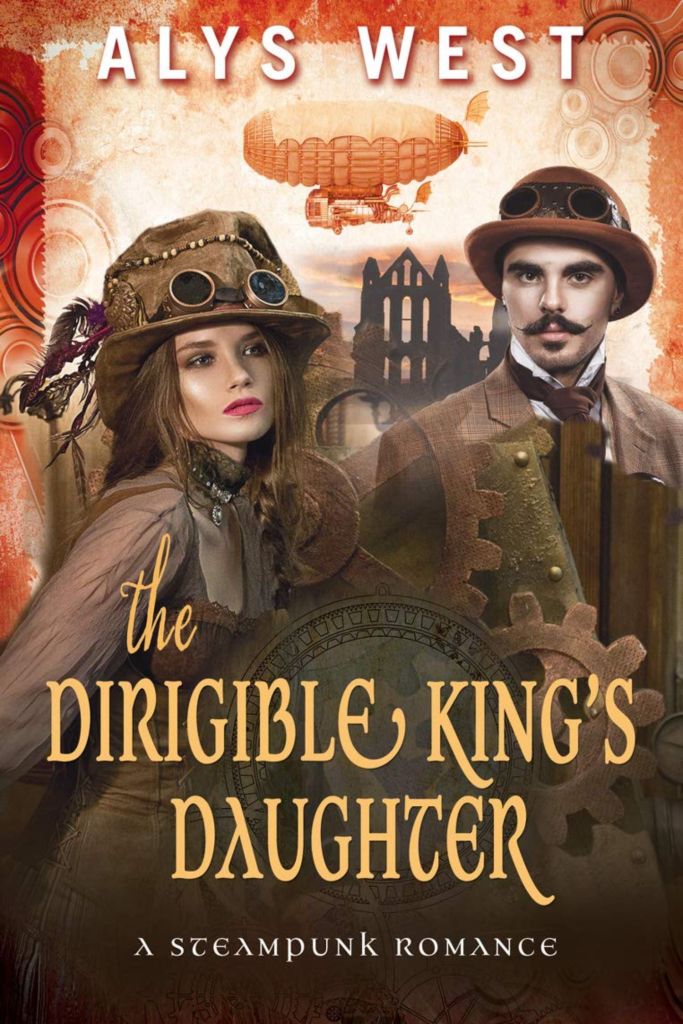
Alys West writes contemporary fantasy and steampunk. She’s the author of Beltane, Storm Witch and The Dirigible King’s Daughter. She lives in Yorkshire but loves to travel especially to Scottish islands. Her stories grow out of places and the tales which people tell about places. Her work draws on her own experience of surviving trauma but always with the possibility of a hopeful ending.
Alys has a MA in Creative Writing from York St John University and teaches creative writing for RNA Learning and the Centre for Lifelong Learning at the University of York. She runs Green Man Words which provides entoring and developmental edits to early stage authors.
When she’s not writing you can find her at folk gigs, doing yoga and attempting to crochet. She occasionally blogs at www.alyswest.com, intermittently tweets at @alyswestyork and spends rather too much time on Facebook where you can find her at Alys West Writer. She is also on Instagram at @alyswestwriter. To keep up with Alys’s news you can join her
Facebook readers’ group ‘Druids, Spellworkers and Dirigibles’.
 Mythic Alley